Faerakin

Wulvers

A lone Wulver at the edge of a forest path is seldom alone. Its pack spreads through the trees beyond it, following the same prey at different distances until an opening appears. One holds the quarry’s attention while the others work towards its flanks, and a frightened traveller who breaks from the group often runs straight into the jaws that were waiting.

Wulvers carry their weight on powerful limbs, built to pursue prey through Skyland’s forests. Broad, bat-like ears follow movement beneath the canopy, while long tails balance their turns through tangled ground. Crystal growths rise through the hide, breaking the line of the shoulders and back. Beneath the muzzle, two long, twisted fangs give even a closed mouth the look of a snarl.

Their aggression serves the pack. They pursue together, defend their resting grounds and bring down prey that would be dangerous for one Wulver to tackle alone. Different forests hold different variants, but hunters recognise the same patient pressure in all of them. Driving off the creature in front of you means little if its companions have already closed the path behind.

“I kept my spear on the one in the road, proud as anything when it started giving ground. My wife caught my sleeve and told me to stop walking. There were three more where our cart had been, standing so still I’d taken the blue along their backs for flowers. She’d been counting them while I was busy being brave.”

The Identity

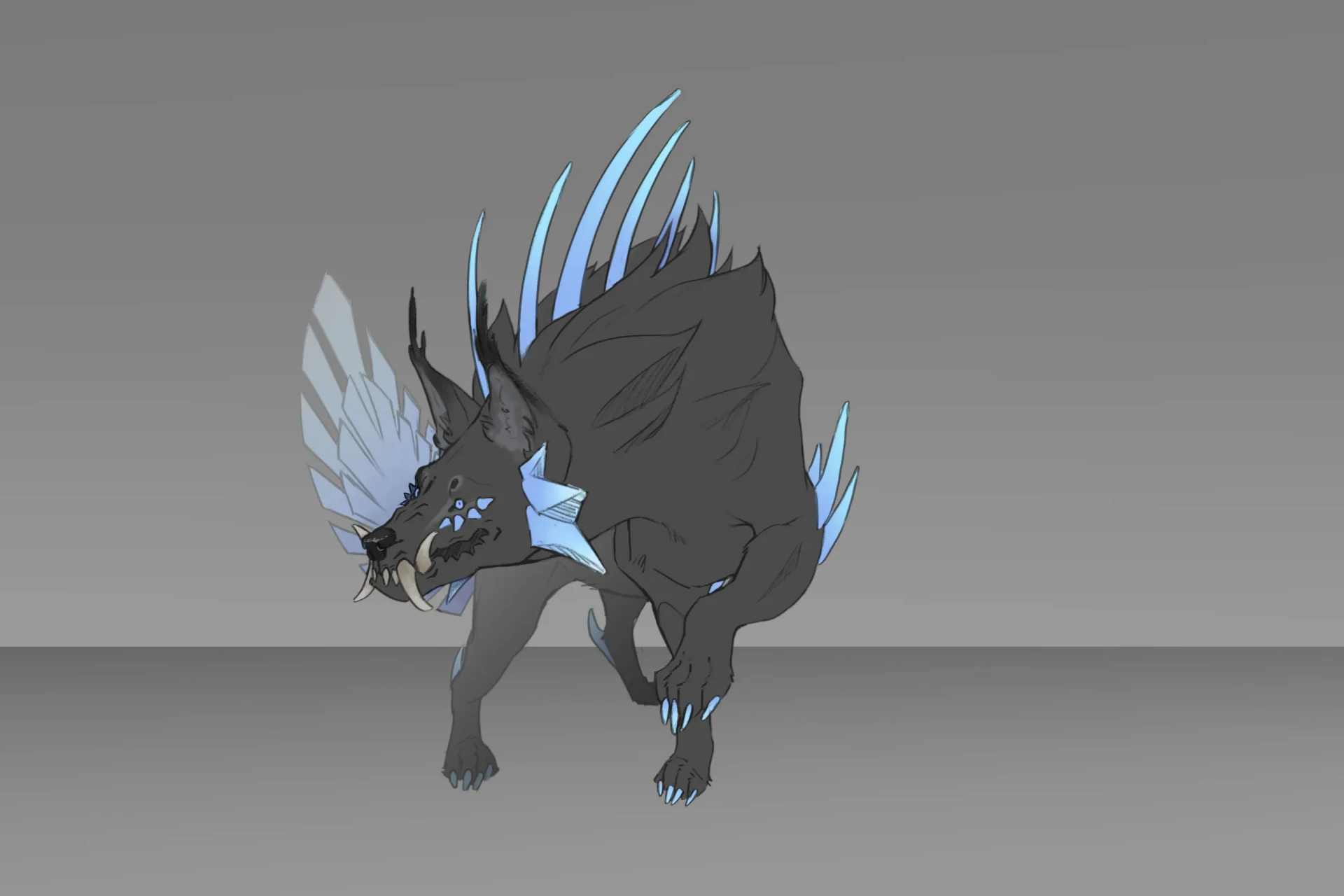
The dire wolf became our reference for the Wulver’s size and powerful build. We wanted that weight and presence without placing an Earth animal into Skyland. Early ideas drew on Odogaron’s predatory intensity, then explored broad bat-like ears, a long tail and exaggerated claws to give the creature its own outline.
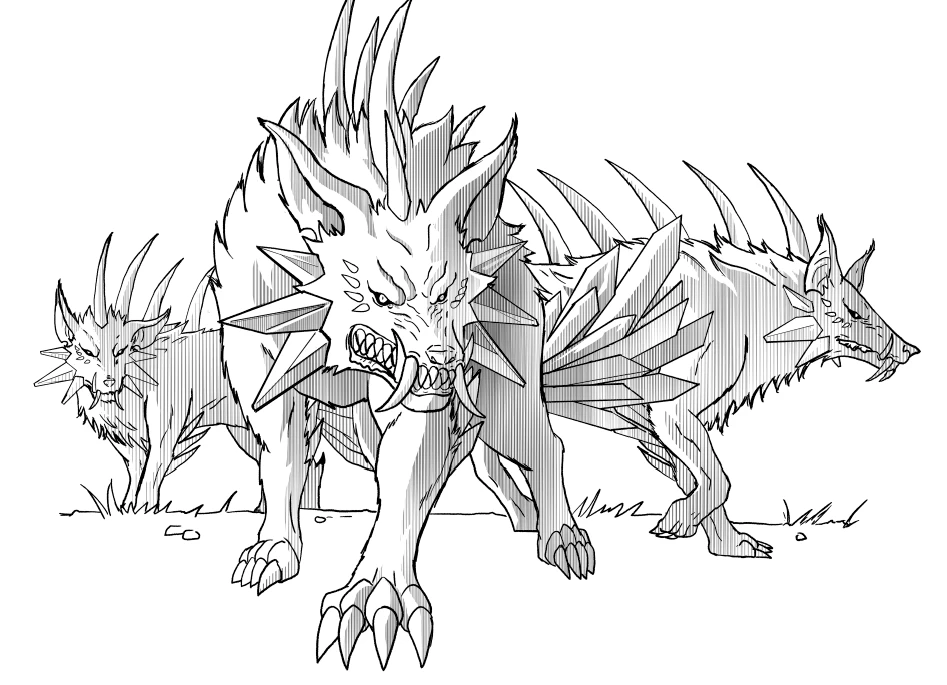
Wulvers design study. Concept and line art by Piter Johanes
Concept and line art by Piter Johanes

The Mood

Imancica helped redirect the design in the second study, exploring crystal growths as part of the hide. The face needed an equally distinctive feature. Traditional Japanese demon-mask imagery inspired the long, inverted fangs, giving the mouth a threatening curve that remains visible before the creature bares its teeth.
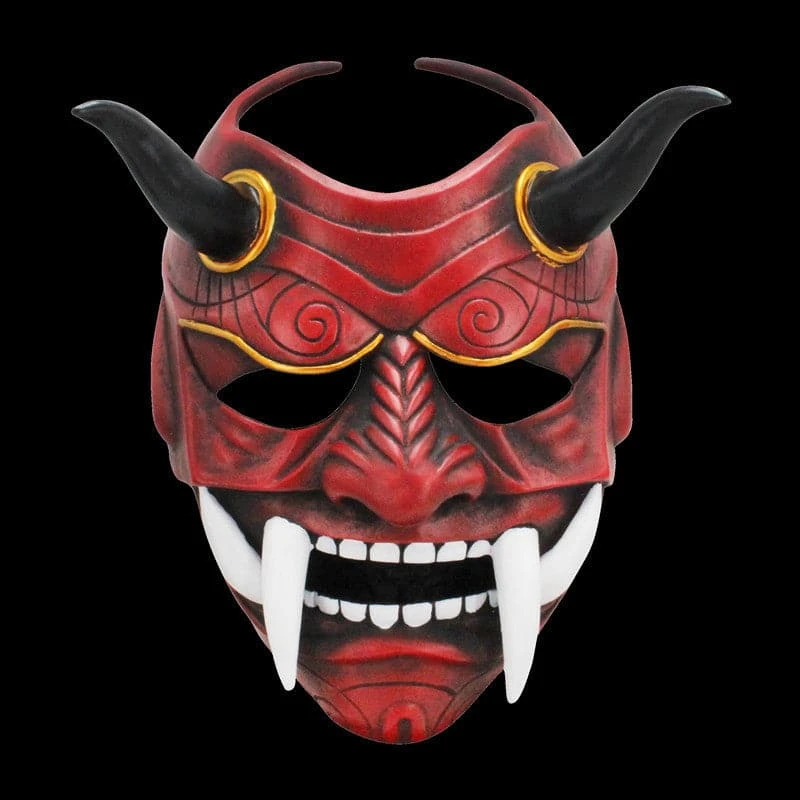
A modern red Oni-style mask with oversized white tusks curving outward beside the cheeks
Outward-curving tusks, a reference for the Wulver’s fangsModern Oni-style mask · Reference image from Boxkatana (opens in a new tab). Shown for comparison with the Wulver’s fang design.
Wulvers design study. Design direction by Imancica
Design direction by Imancica

The Essence

The finished composition shows three Wulvers, making the pack part of the design rather than a detail left to the lore. Piter Johanes carried the studies into clean line art and simple shadows. Ronald Fersula’s colour pass brought cool blue crystals against grey fur and warm paper, keeping the silhouette readable while giving the pack a shared identity.

Final Design
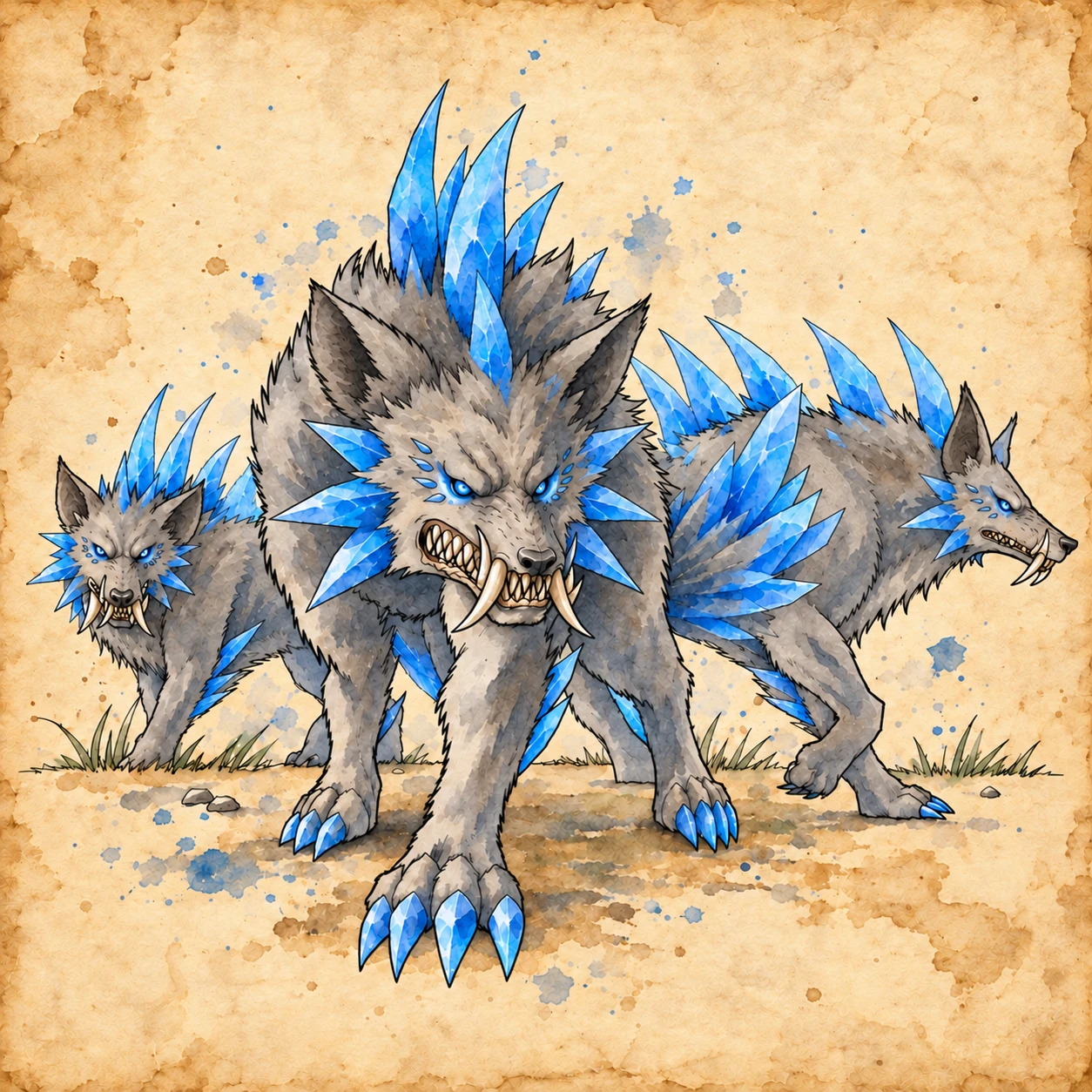
Wulvers finished colour design. Line art by Piter Johanes, colour by Ronald Fersula
Line art by Piter Johanes · Colour by Ronald Fersula

We hope you enjoyed this glimpse into the packs that watch Skyland’s forest paths.

The artists behind Wulvers

Explore related entries

Back to the Skyland Codex

100%